 THE
THE Use First 20 when arrival needs a shared start, Last 20 when the day needs a structured landing, and substitute cases when the class needs a clear mission that a different adult can run.
The Fixes™ · Teacher-led storyworlds
Your classroom
enters the story.
Inter❤️Missions turn the awkward spaces around the lesson into teacher-led shared-screen stories. No student accounts. No individual devices. The class makes decisions together and the story carries the repetition.
Eight complete experiences
Different moment.
Different world.
Each card opens a full teacher-facing product page first. From there, OPEN THE INTERMISSION launches the clean classroom experience.
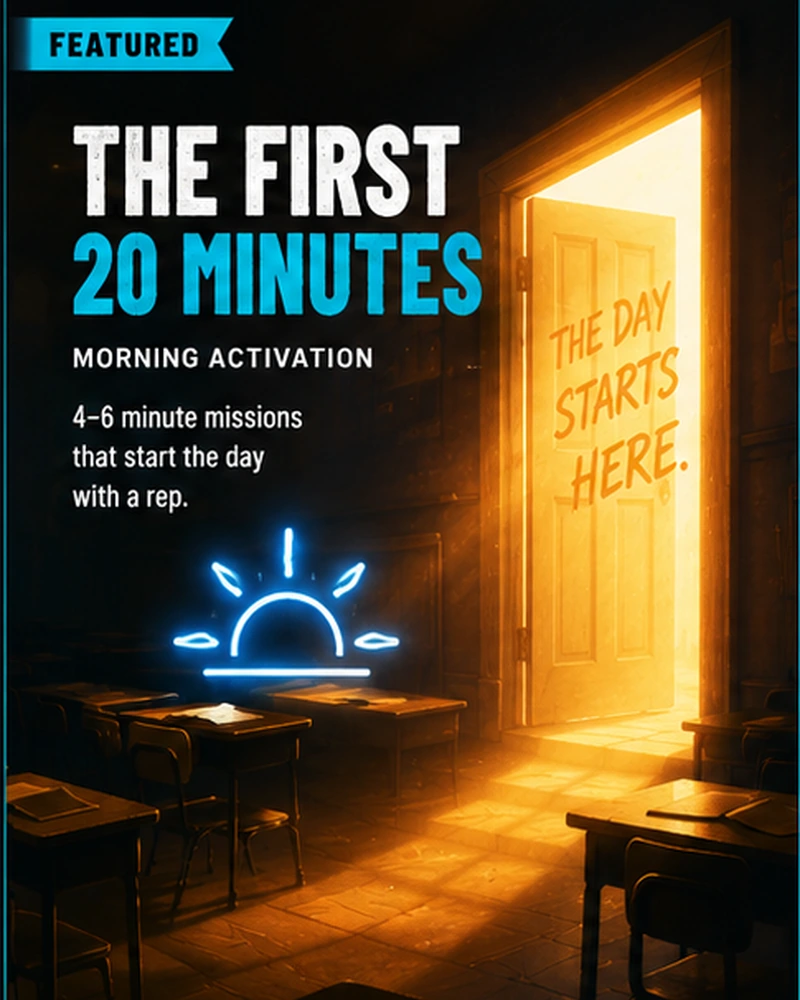
Morning activation
4–6 minute missions that start the day with a rep.
Explore this InterMission →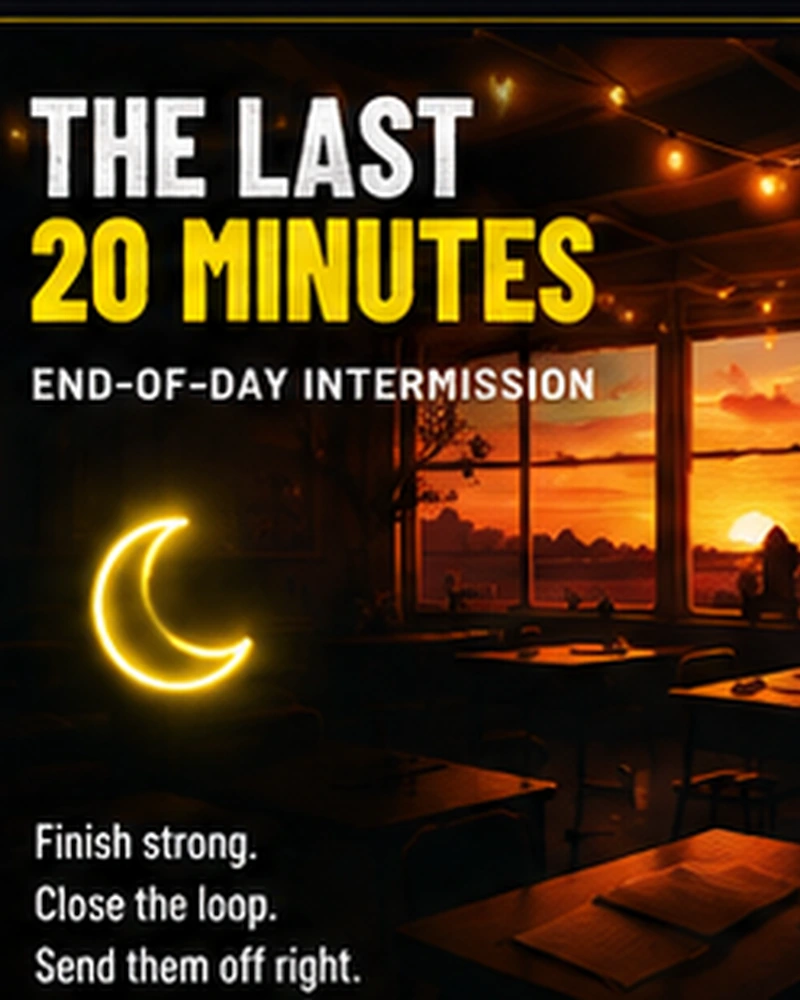
End-of-day file
Close the final 10–20 minutes with a mission instead of dead time.
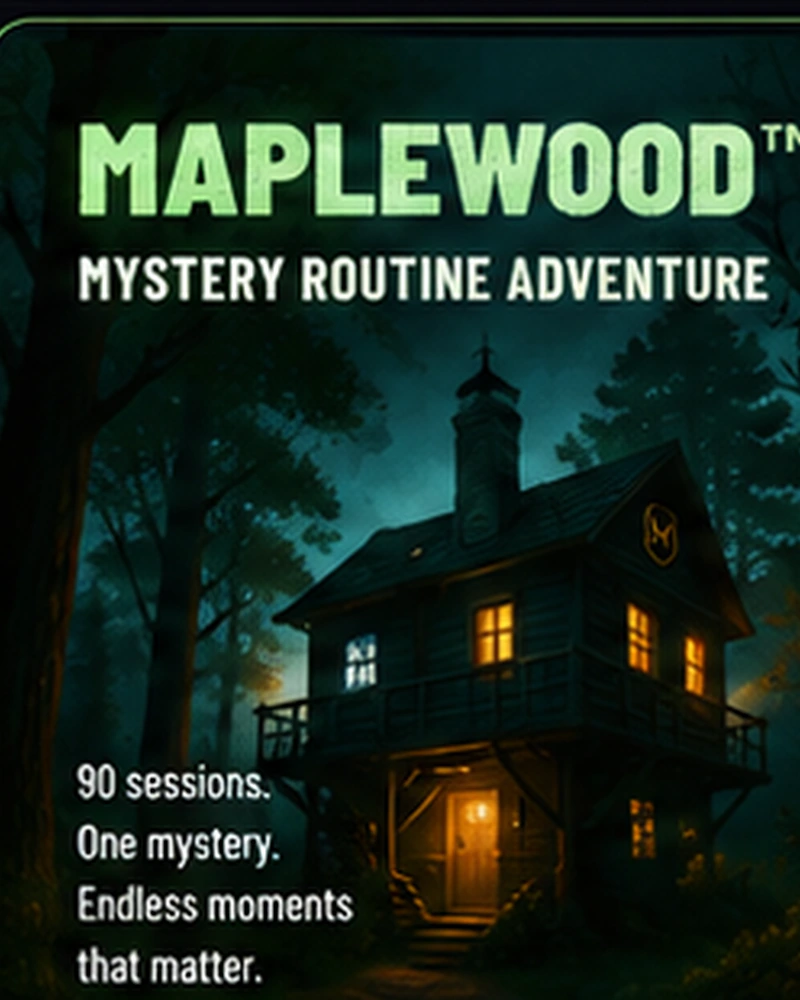
Explore this InterMission →Mystery routine adventure
A living classroom mystery that remembers what the class decides.
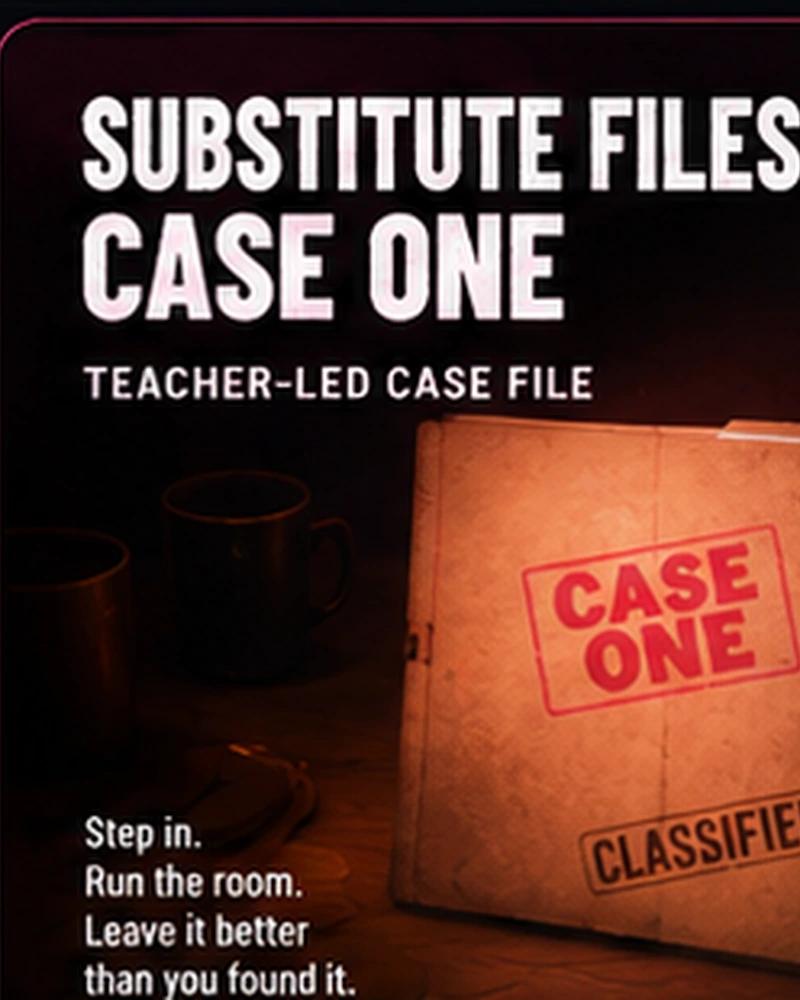
Explore this InterMission →Classified case file
A shared-screen classroom investigation for coverage days.
Explore this InterMission →
Classified case file
A second classified classroom investigation.
Explore this InterMission →
Classroom recovery story
Turn a sideways day into the mission.
Explore this InterMission →
Seasonal story mission
A high-energy seasonal classroom story mission.
Explore this InterMission →
Holiday file
Thaw a frozen archive and rebuild a shared winter.
Explore this InterMission →Use it first
Good tools earn trust
before they earn money.
Run it with your class. If it earns a place in your day, you decide what it was worth. If paying is not right for you, keep using it anyway.
Pay what it was worth ↗We trust teachers.No subscription gate. No trial clock. No suggested price.
Use the gap without creating another lesson
InterMissions are short shared stories for moments that are too real to waste and too small to over-plan.
The first twenty minutes, the last twenty minutes, a substitute day and the strange stretch before a holiday can all create a classroom problem that is partly about time and partly about attention. InterMissions give the class one shared story or mission so the teacher does not have to invent a filler activity while the clock is already running.
They work best when the teacher treats the story as a frame around a short classroom action, not as a new unit that needs a long explanation.
Read only what students need for the next choice or action. If the teacher stops to explain every line, the energy of the story disappears and the short activity becomes a long one.
The story should lead to a decision, discussion, movement, reset or collaborative task. A narrative without a classroom action is entertainment; an InterMission is meant to organize the moment.
A bell, announcement or next lesson can arrive early. Choose a natural stopping point and move on. The classroom schedule is more important than squeezing every screen out of the story.
InterMissions are useful when the class needs a shared focus and the teacher needs a low-prep structure. They are not a substitute for curriculum instruction when the available time is actually enough to teach the planned lesson.