This one asks for a little more patience: overlapping shapes, pattern and detail. It is a calm, focused few minutes, and the finished drawing looks like real art.
Before you start: a pencil, an eraser, a sheet of paper and something to colour with.
Draw lightly at first. Dark lines come at the end, once the shapes look right.
Step-by-step: how to draw a lighthouse
Step 1. Horizon
Draw the horizon and the far shoreline.
Step 2. Cliff
Build the rocky cliff in the foreground.
Step 3. Tower
Draw the tapered lighthouse tower and two bands.
Step 4. Lantern room
Add the lantern room, roof and rail lines.
Step 5. Light beam
Send the lighthouse beam across the sky.
Step 6. Tower windows
Add three small windows down the tower.
Step 7. Front waves
Layer the large foreground wave lines.
Step 8. Sailboat
Add the small sailboat off to one side.
Step 9. Rock texture
Add a few short rock and grass marks.
Step 10. Clouds
Place two cloud shapes in the sky.
Step 11. Birds
Add two tiny distant birds.
Step 12. Buoy
Add the small buoy near the water.
Step 13. Wave foam
Add a few short foam marks between the waves.
Step 14. Create
Make one part completely yours.
The pink line is the new part in each step.
Make it theirs
- Add a background that tells a story. Where is it?
- Give it a name and write it underneath.
- Try it again tomorrow from memory.
- Colour last. There is no wrong colour for a lighthouse.
Teaching it with the projector
The projector version draws each step slowly on the board, pauses while students copy it, then checks in before the next step. Nobody has to talk, so you are free to walk around and help.
Quick Fix: 10 steps, about 10 minutes. Good for a brain break or the last few minutes before recess. Full Focus: all 14 steps, about 15 minutes, with the extra detail.
Open Lighthouse Bay on the projector → It works on any classroom screen. No accounts, no student names, no ads.
Curriculum connections
Visual arts: the elements of design (line, shape, pattern and texture) and creating art for a purpose. Language: listening to and following multi-step directions. Directed drawing also builds fine motor control and focus.
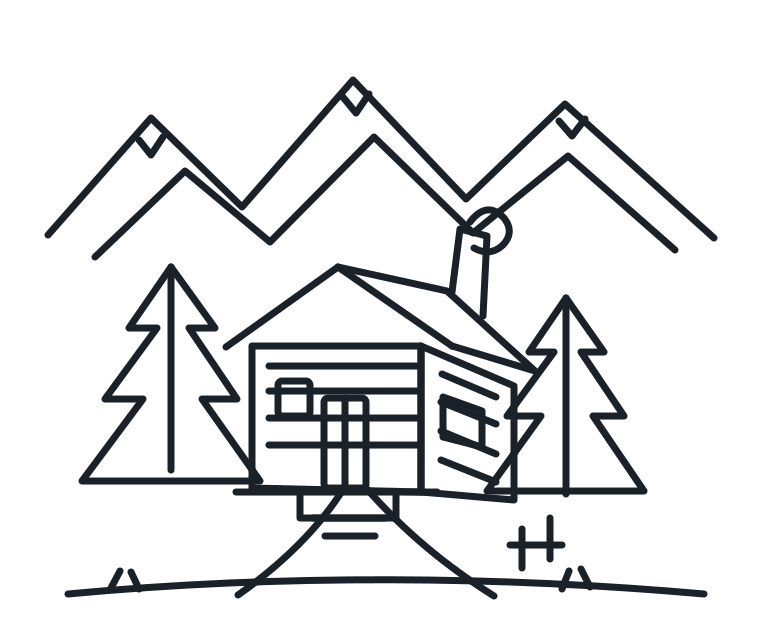 How to Draw a Cabin in the MountainsGrades 4–6 · 14 steps
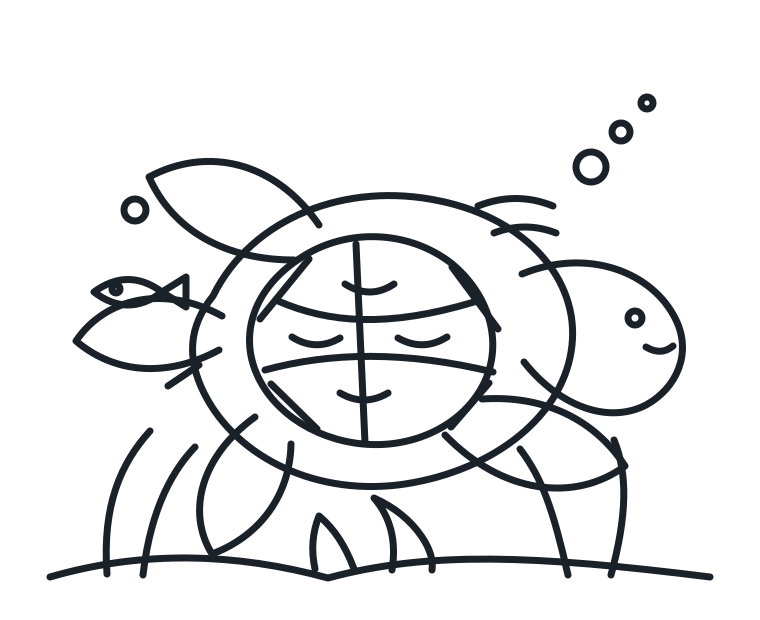 How to Draw a Sea TurtleGrades 4–6 · 14 steps
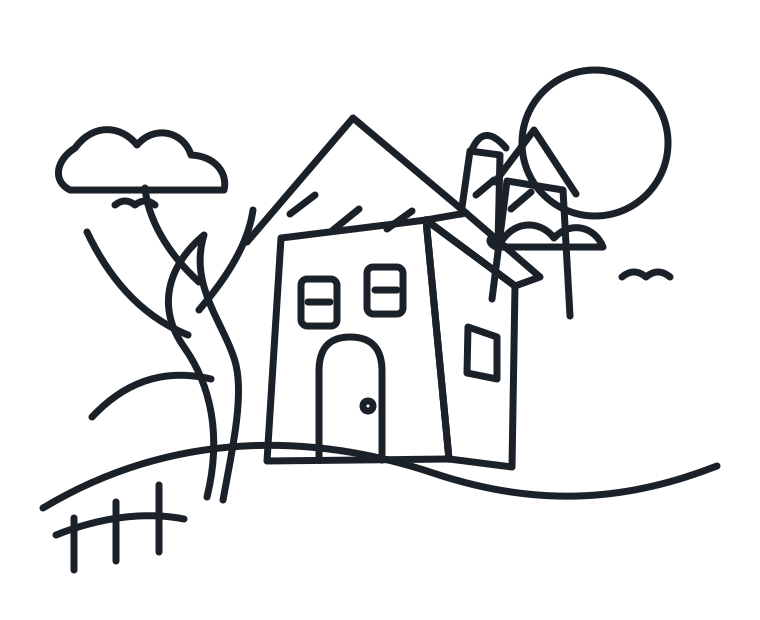 How to Draw a Crooked HouseGrades 4–6 · 14 steps
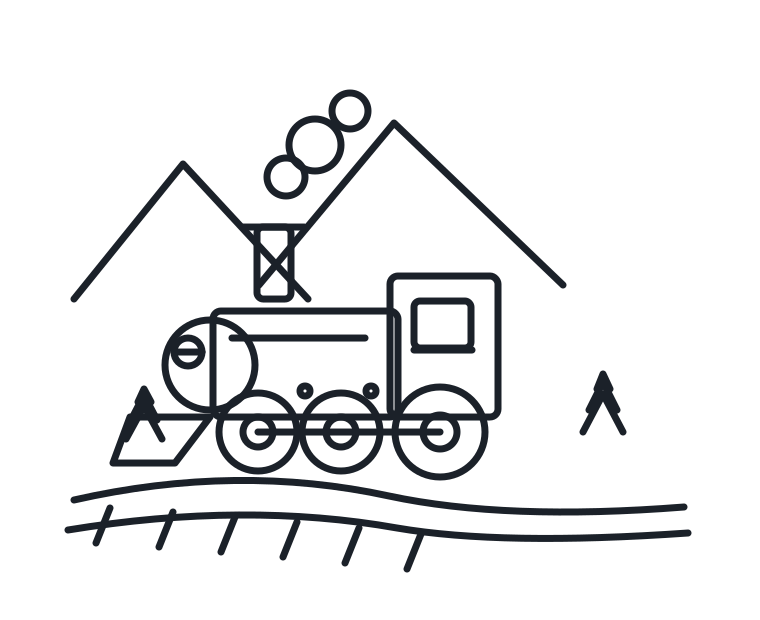 How to Draw a TrainGrades 4–6 · 14 steps
 How to Draw a ChameleonGrades 4–6 · 14 steps
 How to Draw a SailboatGrades 4–6 · 12 steps